IPPT Calculator
Singapore Armed Forces IPPT Calculator
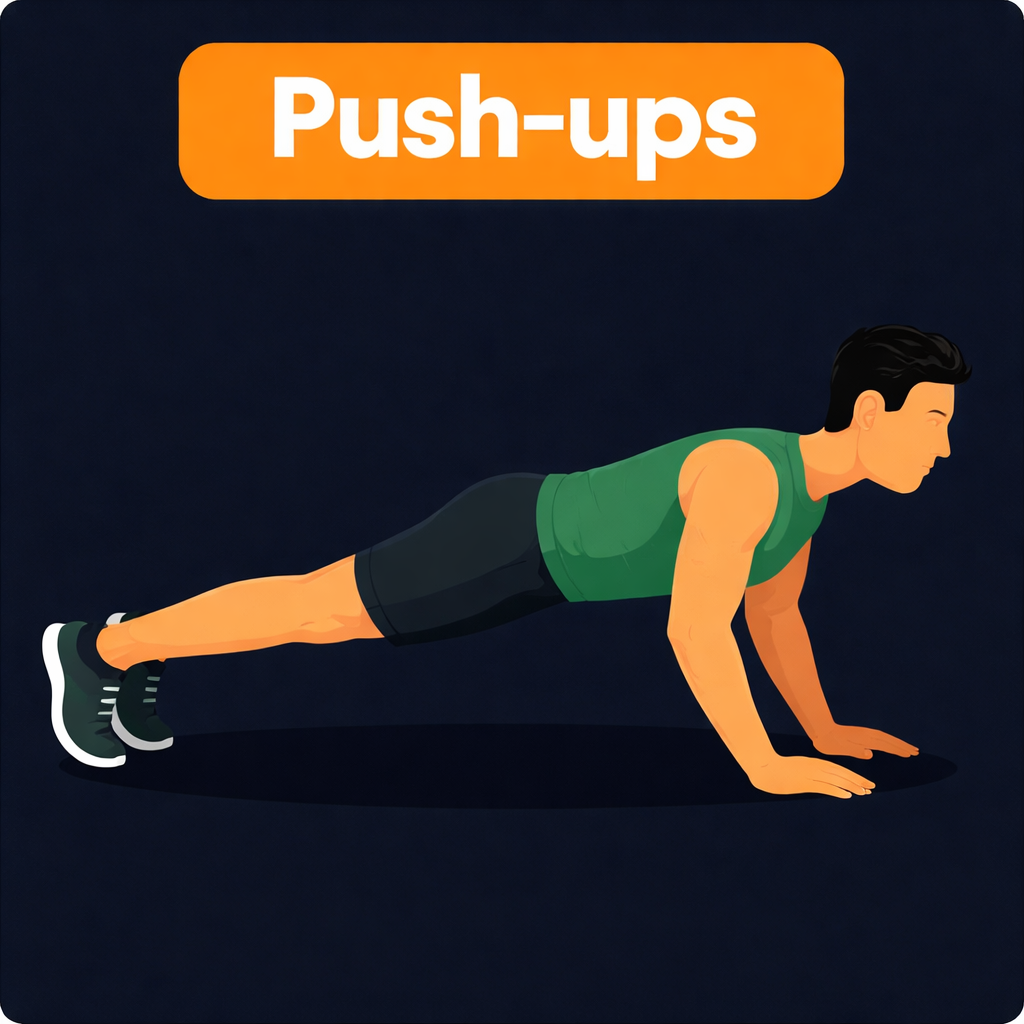
Push-Up Exercise:
To assess upper body strength and muscular endurance.
Maximum 25 Points
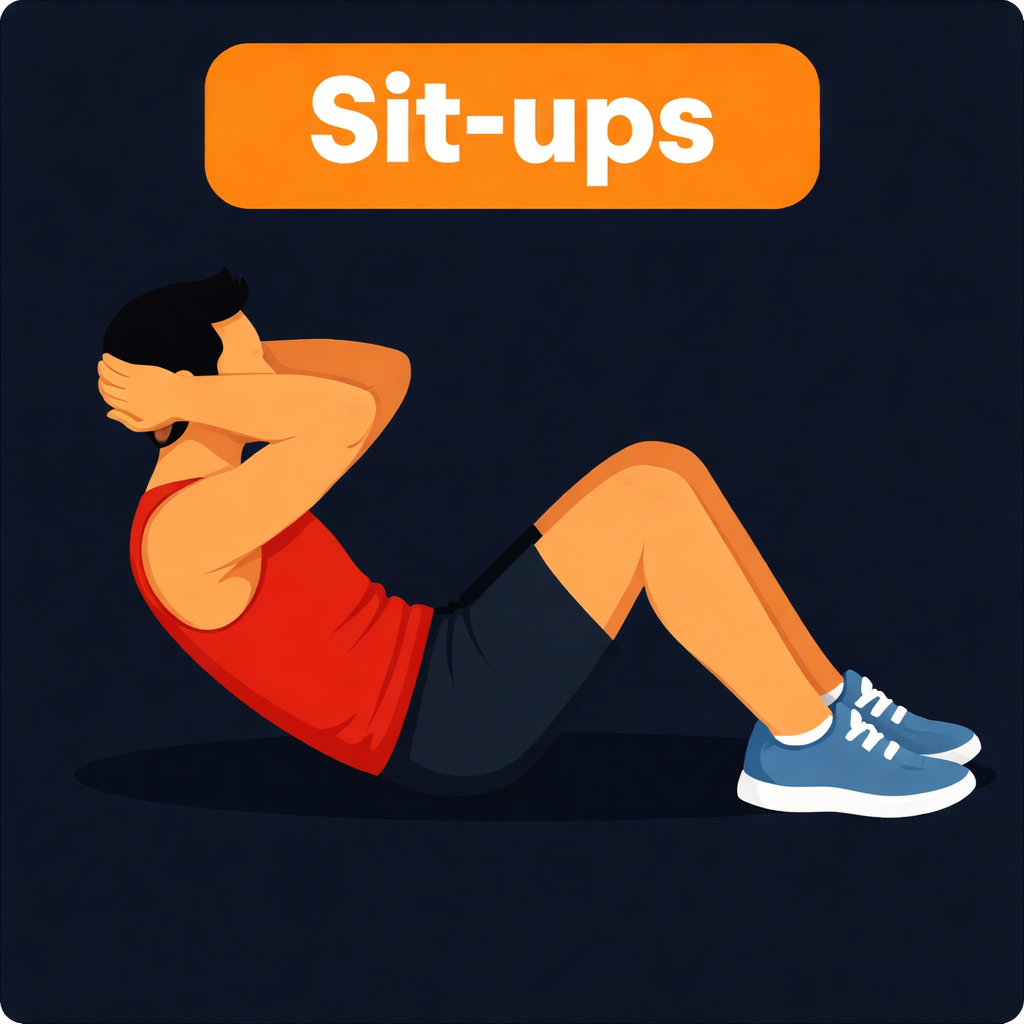
Sit-Up Exercise:
Assesses the performance of core and abdominal muscles
Maximum 25 Points
2.4km Running:
Evaluates cardiovascular fitness and lower body strength
Maximum 50 Points
IPPT Score Calculator
Preparing for your IPPT can be much simpler when you know how score calculating works and how to track your performance in push-ups, sit-ups, and the 2.4KM run. Personally, I’ve found that seeing your passing, gold, or silver levels at a click keeps you motivated and makes training more effective. A new, updated, all-in-one Calculator application is designed to interactively track your progress, help you plan specific workouts, and provide a reliable, effective solution for preparation, for both male and female, keeping you informed, fully aligned with official SAF standards, while showing award levels, incentives ($), and making achieving Pass straightforward without the difficult guesswork using Scoring systems to help you stay on track.
How to Use IPPT Calculator
- Select your age and gender, then enter all your details to ensure accurate calculations instantly, making the process straightforward and easy to follow.
- Input the number of push-ups and sit-ups you have completed to calculate your score efficiently and see how each exercise contributes to your total IPPT results.
- Add your 2.4 km run timing, and the results will adjust automatically, giving you a clear view of your award, level, and overall performance.
- Watch your score refresh live as you enter all inputs, providing an immediate, reliable snapshot of your IPPT progress and readiness.
IPPT Scoring System
The IPPT Scoring System helps you measure your fitness performance accurately.It calculates points for push-ups, sit-ups, and the 2.4 km run based on your age and gender.Your score determines your award level, showing if you achieve Pass, Silver, or Gold.
Scores and Awards Criteria
Understanding how the IPPT scores work can make a huge difference when aiming for any award, and the result table clearly shows the points achieved in each station during the test. If you fail with 50 marks or less, you won’t pass, but earning 51 or more ensures you pass and become eligible for recognition. To reach Gold with 85 points or target Silver, it helps to have a clear strategy, and this guide breaks down the steps to maximise your score across all stations. Make sure you earn at least one point in each station while focusing on consistent performance and understanding how each point contributes to the overall award.
| Awards | Points |
|---|---|
| Fail | ≤ 50 |
| Pass (NSMen only) | ≥ 51 |
| Pass (with incentive NSMen only) | 61 – 74 |
| Silver + $300 | 75 – 84 |
| Gold + $500 | ≥ 85 |
| Gold (Commandos, Divers, or Guards) | ≥ 90 |
Male IPPT Scoring Charts
Understanding the math behind the Male IPPT Scoring Charts can really help you plan your training. Each push-ups and run performance is measured carefully, and even an extra rep or shaving a few seconds can add valuable points to your system. The scoring scales vary across age brackets, so having a clear game plan lets you see exactly how each point contributes to your total and helps you improve efficiently.
Fe-Male IPPT Scoring Charts
The Female IPPT Scoring Charts help you understand the exact standards and how each station contributes to your points. This calculator is designed for female trainees and automatically adjusts to female-specific metrics, making it easy to select your gender and see how your bent-knee push-ups and running pace affect your scoring. It calculates exact points across different age groups, provides raw data, rules, and target reps, and shows where you stand on test day. Using this tool mathematically ensures you have a clear plan to improve and track performance efficiently.
How to Train for Sit-Ups in IPPT
Training for the sit-up station in the IPPT takes more than just lying down and bending your knees; it requires a focus on proper technique, core strength, and pacing. Even a few reps in the last one minute can feel challenging, so knowing how to keep moving and doing each repetition well is key. A good mix of consistent practice, proper form, and understanding the small details of the task can help anyone improve performance efficiently and build confidence for test day.
Building the Right Muscles
To perform sit-ups effectively, it’s important to focus on the right muscles. Your core, including the rectus abdominis and the muscles that form your six-pack, does most of the work during each repetition. The hip flexors also play a supporting role, helping you lift your upper body smoothly. Paying attention to how these muscles come into action, and practicing consistently over time, ensures you make up the strength needed for proper form and improves overall performance, especially during test day.
Finding Your Rhythm
When doing sit-ups, it’s important not to go too fast at the start. Pushing hard in the first few seconds can drain your energy halfway through, and that early speed often costs you later. Begin slower and focus on a steady rhythm, letting your body settle into the flow. Keep your movements controlled, don’t rush or rest flat on the mat, and save energy for the endgame. During the final 20 seconds, squeeze out a few extra reps while remembering to breathe and exhale properly. Staying relaxed and maintaining smooth, consistent motion helps you perform better and get the most out of each repetition.
Setting Realistic Goals
When training for sit-ups, it’s important to set realistic goals based on your age and groups. Most people need around 30 to 35 clean sit-ups in one minute to pass, while achieving Silver or Gold standards may require 45 to 50 or more, depending on your fitness. Using intervals like three sets with rest in between helps you practice, build rhythm, and increase endurance over time. Knowing how many repetitions you require and practicing clean movements ensures steady improvement and makes reaching your targets manageable.
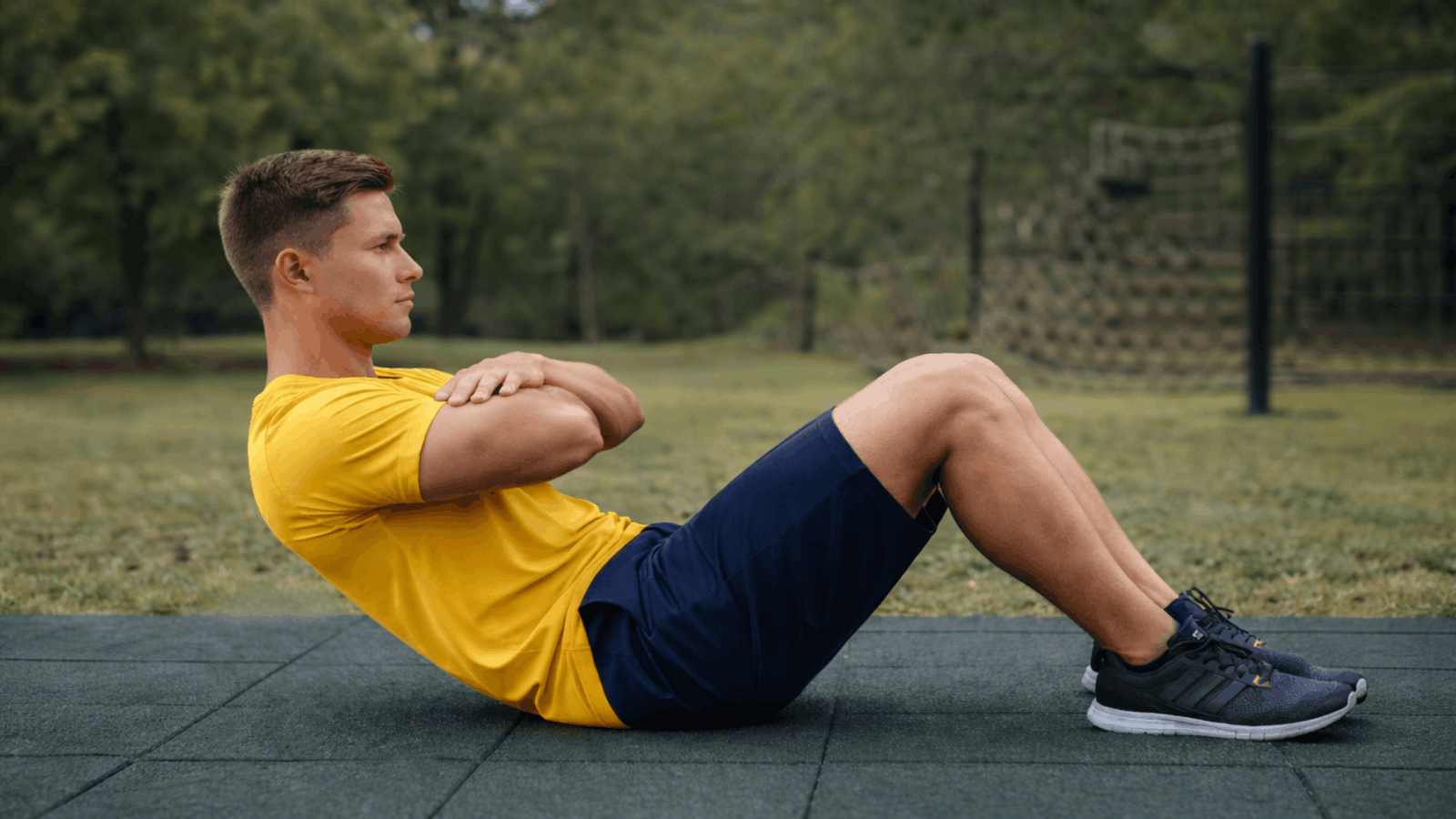
Know the IPPT Sit-Up Standard
During the test, maintaining the correct body position is crucial for every rep. Start by lying flat with your knees bent at 90 degrees, and place your hands behind your head or on your temples. At the top of the rep, make sure your elbows touch your knees, and at the bottom, your shoulder reaches the ground. Keep your feet held by a partner or device while you train, and practice under test-like conditions to get comfortable with the motion and pace. How you start and the way you do each rep matters, and both consistency and form must be maintained to improve effectively.